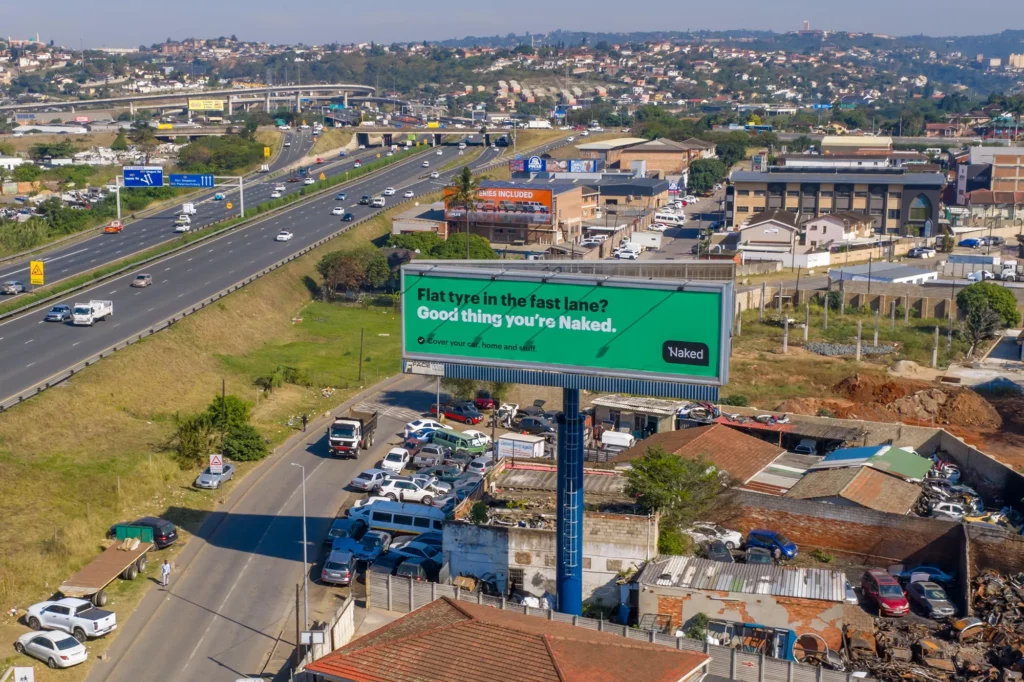
Dynamic DOOH Campaigns

Digital content that is dynamic, or contextually relevant, ensures that the right information is provided at the right time.

Digital out-of-home (DOOH) advertising is the perfect medium due to its agility and dynamic capability.

Be Contextual

Studies have shown that contextually relevant content increases the effectiveness of a campaign which in turn increases sales and ad recall. Displaying an ad at the right moment, either by time, location, or relevance, increases brain response which increases ad recall and returns an uplift in sales.

Contextual ads speak to audiences seeing that it is more targeted and relevant. It means the right content is shown in the right context by adapting to the surroundings and using data to better understand consumers’ needs and wants at specific times and in specific places.

Intelligent Digital Signage , Augmented reality marketing and face recognition concept. Interactive artificial intelligence digital advertisement in retail shopping Mall.

Being contextual means choosing the right context and getting the tone right. Communication should be personalised as consumers are attracted to and want brands that speak to how they feel.

Changing Audience Behaviours

Understanding audience behaviour and knowing where the audience allows for more targeted and more relevant campaigns. Advertisers need to be able to adapt and respond to rapid changes in consumer behaviour and advancements in technology.

It is key to target the right audience for the right brand by understanding audience behaviour and by measuring the effectiveness and engagement of campaigns.

Knowing where an audience is and why they behave in a certain way is particularly important seeing that it will determine which marketing channels should be used in what way and with what content. Audience targeting involves not only knowing key demographic information but also knowing which locations your different target audiences are visiting, their interests and knowing how they use different media.

Dynamic Strategies

Advertisers need to have multiple creatives to deliver them based on the time of day, weather, events, type of audience and other data. By using real-time data consumers are given information that is relevant to where they are, what they are doing and even how they are feeling at that specific moment.

DOOH is a dynamic platform and hence the need for dynamic strategies that offer personal and meaningful interactions with a brand.  Data changes constantly and highlights the need for the creation of effective targeting strategies.

Content that is dynamic leads to a deeper engagement with the audience and allows for data-driven decision making.

The coronavirus pandemic will have a severe impact on the global out-of-home (OOH) market, but the sector is set to bounce back in 2021.

According to PwC’s Global Entertainment & Media Outlook 2020–2024, the COVID-19 pandemic has accelerated digital disruption by amplifying ongoing shifts in consumers’ behaviour.

Digitalisation and DOOH

Social distancing and mobility restrictions have intensified digitalisation and according to the report the result is that the entertainment and media (E&M) world has become more remote, more virtual, more streamed, more personal and – for now at least – more centred on the home than anyone anticipated at the start of the year.

“It’s clear that COVID-19 has accelerated consumers’ transition to digital consumption and triggered disruptive change – both positive and negative – across many forms of media,” comments Werner Ballhaus, Global Entertainment & Media Industry Leader at PwC.

Digital out-of-home (DOOH) advertising is seeing high growth rates and is one of the fastest-growing media channels. Personalisation of DOOH advertising means content can be created specifically to the audience and placing.

An African Perspective

According to PwC’s Entertainment & Media Outlook: 2019-2023 – An African Perspective, South Africa’s OOH revenues will grow annually. The report found that even though the growth is sluggish OOH has proven itself as resilient in the face of challenges and that its ability to reach consumers is valued by advertisers.

The growth of digital formats is also being taken advantage of by the South African OOH market. At the time PwC’s report was published just more than a year ago the country already had more than 200 digital roadside billboards. It was also noted that this figure increases nearly every month.

The process of buying OOH advertising and regulation of outdoor advertising were highlighted as some of the possible obstacles regarding the OOH market in South Africa. But according to the report, the growth of DOOH will likely lead to a radical overhaul soon. “The advantages of programmatic advertising are considerable and include differential pricing based on real-time audience data and dynamic selling options.”

The regulation of outdoor advertising largely falls to local authorities, according to the report. This means that there can be large variations in regulations in different areas as well as the effective enforcement of these regulations.

According to the report a tipping point is nearing. “The increased usage of higher-value digital billboards and move away from physical formats means that by 2023, more than 45% of revenue will derive from DOOH.”